


YouTube Growth Blueprint: 17 Smart SEO Strategies to Rank, Grow & Generate Leads
YouTube remains the most powerful platform for video discovery, evergreen traffic, and long-term lead generation. Unlike social posts that disappear in 24 hours, a well-optimised video can attract views, subscribers, and qualified leads for years. At Diginated, we use YouTube SEO as a core channel for our clients’ performance marketing strategies — and in this blueprint, we’re sharing all 17 of the strategies that actually move the needle in 2026.
2.5B
Monthly active users make YouTube the world’s #2 search engine
53%
Of all website traffic comes from organic search — YouTube included
4–12 wks
Typical timeline to see measurable SEO-driven channel growth
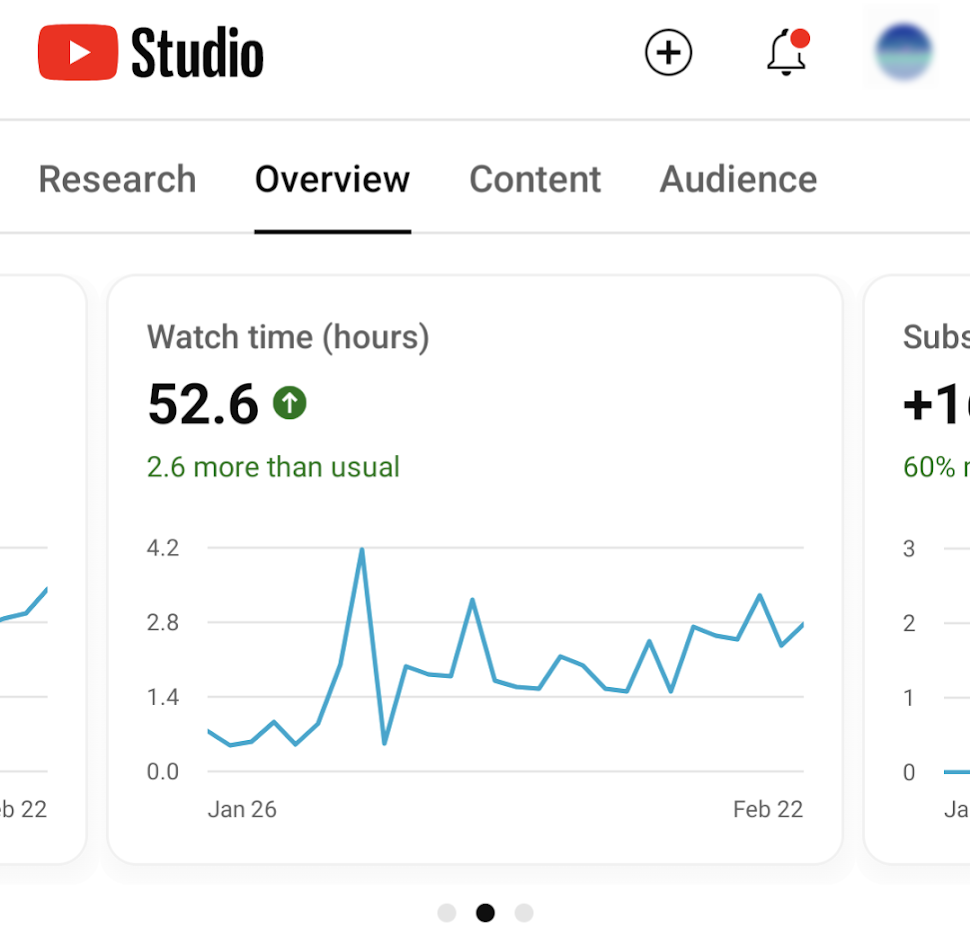
→ How YouTube Search Actually Works in 2026
YouTube’s algorithm in 2026 is built around one core goal: maximising viewer satisfaction. Ranking isn’t about repeating a keyword 20 times — it’s about delivering a video that matches search intent, holds attention, and keeps viewers on the platform. According to YouTube’s Creator Academy, the algorithm weighs dozens of signals — but four dominate above all others.
Watch Time & Retention
The percentage of your video watched is the single strongest ranking signal. Videos that hold 60%+ average view duration consistently outrank competitors with more views but poor retention.
Click-Through Rate (CTR)
How often your thumbnail and title converts impressions into clicks. A CTR above 4–6% signals to YouTube that your content matches what viewers are searching for.
Engagement Signals
Likes, comments, saves, and shares all tell YouTube your video is generating meaningful reactions — pushing it higher in both search and recommendations.
Topical Consistency
Channels that stay within one niche build topical authority faster. YouTube’s algorithm trusts and promotes channels with a clear, consistent content focus.
YouTube doesn’t rank the most keyword-stuffed video. It ranks the most satisfying one.
YouTube algorithm 2026
watch time SEO
YouTube ranking signals
video search optimisation
1–5 Foundation Strategies: Research & Intent
Every high-ranking YouTube video starts before the camera even turns on. These five foundational strategies — used by Diginated’s content team for every client channel — determine whether a video has a chance to rank before a single frame is recorded.
1
Choose One Main Keyword Per Video
Target a single, specific phrase that matches real search intent — not the broadest possible topic. Use tools like Ahrefs’ YouTube Keyword Tool or YouTube’s autocomplete to find what people are actually searching. Low-competition, high-intent phrases are often more valuable than high-volume generic terms.
2
Study the Top 5 Ranking Videos Before Filming
Before you create, analyse what’s already ranking for your target keyword. Note their video length, structure, thumbnail style, and comment section questions. Your video needs to match the format viewers expect and deliver something they don’t get elsewhere — a gap only research can reveal.
3
Map Keywords to Viewer Intent
Not all YouTube searches want the same thing. “How to run Google Ads” (learning intent) needs a tutorial. “Best Google Ads agency in Delhi” (commercial intent) needs a comparison or case study. Matching your content format to the intent behind the keyword is what separates videos that rank from videos that bounce. Our Content AI 2.0 workflow applies this same intent-mapping approach to all content formats.
4
Use Related Terms — Not Keyword Repetition
Semantic SEO outperforms keyword stuffing on YouTube just as it does on Google. Include related phrases, synonyms, and natural language variations in your title, description, and script. Say your main keyword once or twice naturally — and let supporting terms do the semantic heavy lifting. Density near 1% is ideal.
5
Validate Topics With Search Volume Data
Every video topic should be backed by data — not just intuition. Use Google Trends to check whether interest in a topic is rising, falling, or seasonal. Combine this with YouTube autocomplete and comment section mining to find content gaps your competitors have missed.
6–10 On-Page Optimisation Strategies
Once your topic is validated, these five on-page optimisation strategies determine how well YouTube and Google can understand, categorise, and surface your video to the right audience.
6
Write a Title That Balances Clarity With Curiosity
Your title is the single most important on-page SEO element. Keep it 50–60 characters — long enough to be descriptive, short enough to avoid truncation in search results. Lead with the benefit or the outcome, not the process. “How to Double Your YouTube Watch Time in 30 Days” outperforms “YouTube Watch Time Tips” every time.
7
Write Descriptions That Inform — Not Just Fill Space
The first 150 characters of your description appear in search results — make them count. Include your main keyword naturally in the opening sentence, then expand into a helpful summary with timestamps (chapters), links to related content, and a clear call to action. Link to relevant pages on your website, including your services page or a contact page if the video is lead-generation focused.
8
Design Thumbnails That Stop the Scroll
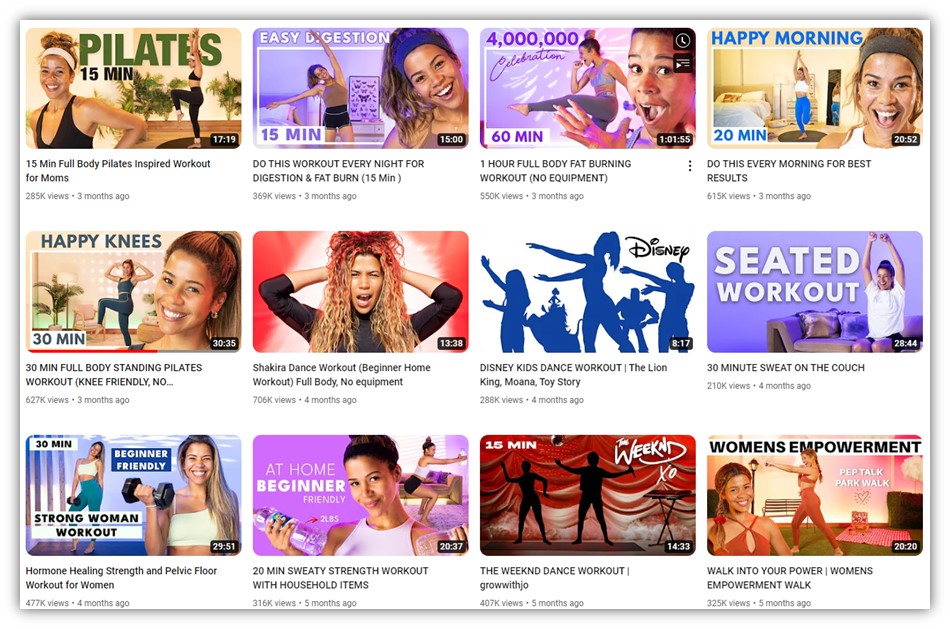
Your thumbnail is your video’s first impression — and the primary driver of CTR. High-contrast colours, minimal text (3–5 words maximum), a clear focal point, and visible facial emotion (if using a presenter) consistently outperform text-heavy or cluttered designs. Test at least two thumbnail variants per video using YouTube’s A/B testing feature.
9
Add Video Chapters With Keyword-Rich Timestamps
Chapters (timestamps in the description) serve two purposes: they improve viewer experience by letting people jump to relevant sections, and they create additional keyword-indexed anchor points that can appear as rich snippets in Google Search. Each chapter title is a micro-SEO opportunity — use natural, descriptive language that matches how your audience searches.
10
Use Tags and Hashtags as Contextual Support
Tags matter less than they once did — but they still provide contextual signals to YouTube’s classification system. Use 5–10 specific tags: your exact keyword, close variations, and your channel’s core topic. Hashtags in the description (3 maximum) help surface your video in hashtag browse pages, giving an additional discovery entry point. Never stuff — relevance always beats volume.
💡 Diginated Tip: Treat your YouTube description like a mini blog post.
The more helpful and keyword-rich it is, the more signals YouTube and Google use to
surface your video in relevant search results — including Google’s own video carousel.
YouTube title optimisation
video thumbnail CTR
YouTube description SEO
video chapters timestamps
11–14 Content & Format Strategies
Great metadata can get your video found — but only great content keeps it ranking. These four strategies focus on what happens inside the video itself, and how the format drives the retention signals that YouTube rewards. This is where 2026’s shift to short-form storytelling intersects directly with long-form YouTube SEO.
11
Hook Viewers in the First 15 Seconds
The first 15 seconds of your video determine whether someone stays or leaves — and that drop-off is tracked directly by YouTube’s algorithm. Open with the specific outcome the viewer will achieve, a surprising fact, or an immediate demonstration of value. Never start with a lengthy intro, logo animation, or “welcome back to my channel.” Get straight to the point — your retention graph depends on it.
12
Structure Content With Clear Visual Chapters
Well-structured videos with tight pacing, B-roll cuts, caption overlays, and clear chapter transitions consistently achieve higher average view duration. Use a simple framework: Hook → Problem → Solution → Proof → Call to Action. Remove all filler — every second should either deliver value or maintain momentum. Watch your YouTube Analytics audience retention graph and cut anything that causes a visible drop.
13
Prioritise High-Performance Content Formats
Some content formats have demonstrated consistently stronger long-term performance on YouTube. Evergreen formats build compounding traffic months after publication — the goal of any serious YouTube SEO strategy.
- Tutorials and step-by-step walkthroughs
- Comparison and review videos
- Explainers answering common industry questions
- Case studies showing real results with data
- Listicles (like this 17-strategy guide) that promise comprehensive value
14
Use Short-Form Clips for Discovery — Not as a Replacement
YouTube Shorts (vertical video under 60 seconds) are a powerful discovery engine for new audiences — but they serve a different purpose than long-form SEO content. Use Shorts to test hooks, tease upcoming videos, repurpose the most shareable moments from long videos, and reach audiences who discover you through the Shorts feed. For D2C brands and startups, a Shorts-first strategy can rapidly accelerate subscriber growth while long-form content builds search authority.
15–17 Growth, Consistency & Revenue Strategies
The final three strategies are what separate channels that plateau from channels that compound. These are the operational and monetisation habits that Diginated recommends for every brand treating YouTube as a serious lead-generation and revenue channel.
15
Post Consistently — Predictably Over Frequently
Posting predictably matters more than posting often. Choose a realistic schedule — one or two videos per week — and maintain it without gaps. YouTube’s algorithm favours channels that upload consistently because it makes the platform more predictable for subscribers. Review your analytics monthly: double down on video topics that retain viewers above your channel average, and cut topics that consistently underperform.
16
Refresh Old Videos Before Creating New Ones
Updating existing videos is one of the highest-ROI activities on YouTube. Refresh titles, descriptions, and thumbnails on videos that are already getting impressions but have low CTR. Add new timestamps, update outdated information, and re-promote to your email list. This same compounding-content philosophy applies to our AI SEO strategy for WordPress — existing content with strong foundations outperforms new content every time when properly refreshed.
17
Turn Views Into Revenue Through Multiple Streams
YouTube monetisation works best when content solves a real problem — because problem-solving content attracts buyers, not just viewers. Layer multiple revenue streams to maximise the return on every video:
- Ad revenue (once the 1,000 subscriber / 4,000-hour threshold is met)
- Affiliate partnerships for tools, software, or services you recommend
- Brand sponsorships — especially accessible for niche channels with engaged audiences
- Lead generation to your services or digital products via video CTAs
YouTube monetisation
YouTube channel consistency
video lead generation
YouTube revenue streams
→ Keyword Intent Reference Table
Use this table to match your video topics to the right search intent — ensuring your content format matches what viewers expect when they land on your video. Mismatched intent is one of the most common causes of high impressions with poor retention.
| Intent Type | Example Search Query | Best Content Format |
|---|---|---|
| Learn | How YouTube SEO works | Explainer or tutorial |
| Grow | Grow a YouTube channel organically | Strategy breakdown / case study |
| Optimise | Improve YouTube watch time | Step-by-step walkthrough |
| Earn | How to monetise a YouTube channel | Results case study + checklist |
| Compare | YouTube vs TikTok for businesses | Comparison video with data |
| Start | YouTube video creation for beginners | Beginner tutorial series |
🎁 Free YouTube Growth Toolkit
Want a custom plan to improve your rankings, retention, and lead conversions from YouTube? Diginated’s free toolkit includes everything you need to start ranking:
- SEO checklist used by ranking channels in 2026
- Retention & hook framework for higher watch time
- 30-day content plan template
Frequently Asked Questions
Q1 How long does it take to see results from YouTube SEO?
Typically 4–12 weeks for search-based growth, depending on your niche competition and how well your content matches search intent. Channels that combine strong on-page SEO with high retention see faster results. Working with a performance marketing agency experienced in video SEO accelerates this timeline significantly.
Q2 Do YouTube tags still matter in 2026?
Tags matter less than they did in 2019, but still provide contextual classification signals. Titles and descriptions are far more important. Focus the majority of your keyword strategy on those elements — and use tags as supporting context only, with 5–10 highly relevant terms per video.
Q3 Can new creators with zero subscribers rank on YouTube?
Yes — especially with low-competition, high-intent topics combined with strong retention. YouTube’s algorithm cares about viewer satisfaction, not channel size. A new channel with a 70% average view duration on a niche topic can outrank an established channel with poor retention on the same keyword.
Q4 Are YouTube Shorts good for channel growth?
Yes — for discovery and testing. Shorts reach new audiences who may not find your long-form content through search. However, Shorts alone won’t build the search authority that drives evergreen traffic and leads. The best strategy uses Shorts for reach and long-form content for ranking and conversion. This mirrors how we advise on short-form storytelling across all platforms.
Q5 Does video length or quality matter more for ranking?
Quality and retention — always. A tight, well-paced 8-minute video that holds 70% average view duration will consistently outperform a bloated 25-minute video with 30% retention. Length should be whatever it takes to fully satisfy the viewer’s intent — no longer, no shorter.
Q6 Should I optimise old YouTube videos as well as new ones?
Absolutely — and it’s often the highest-ROI activity available to you. Refresh titles, thumbnails, and descriptions on videos already receiving impressions. Update outdated information. Add chapters. Then promote them again. The foundation is already built — optimisation is what converts impressions into sustained traffic. The same logic applies to our Content AI 2.0 strategy for WordPress blogs.
Conclusion: Build Authority That Compounds
Sustainable YouTube growth comes from useful content, precise optimisation, and consistent delivery. By focusing on viewer intent and satisfaction — not keyword repetition or algorithm tricks — you build a channel that ranks, grows, and generates qualified leads for years.
“The best YouTube strategy is also the simplest: make videos people actually want to finish.”
At Diginated, we integrate YouTube SEO into complete performance marketing strategies for brands across India — from Delhi to Mumbai to Bengaluru. Ready to turn your YouTube channel into a lead-generation engine?
Want a Custom YouTube SEO Strategy for Your Brand?
Diginated builds and manages YouTube channels as part of full-funnel digital marketing strategies in Delhi and across India — from keyword research to channel growth to lead conversion.
Book a Free Strategy Call →📞 +91-9990300514 | 📧 info@diginated.com
[…] that directly answers searcher questions through captions, overlays, and spoken audio. Our guide on YouTube SEO strategies covers how to apply this across video platforms […]
[…] YouTube Growth Blueprint: 17 Smart SEO Strategies […]
[…] YouTube Growth Blueprint: 17 Smart SEO Strategies […]